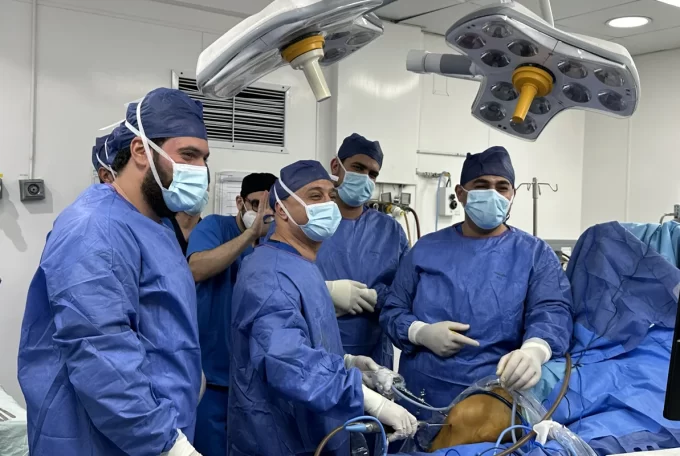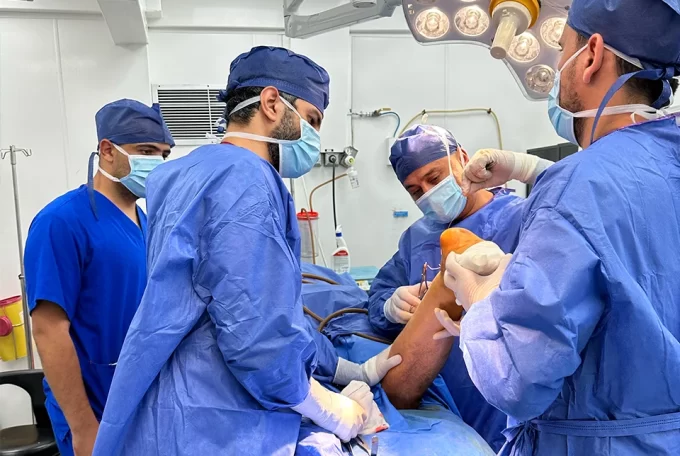
Modern medicine is constantly evolving, and one of the most significant advancements in surgical care is the widespread adoption of minimally invasive surgery (MIS). This approach has transformed the patient experience, offering a host of benefits that lead to quicker recovery and better outcomes.
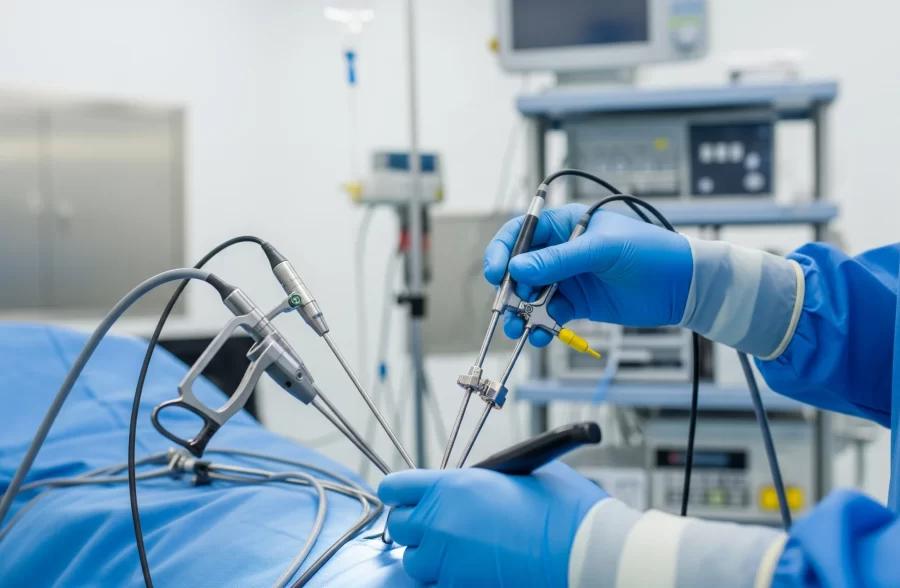
Traditionally, surgery involved large incisions, which could result in significant pain, lengthy hospital stays, and noticeable scarring. Minimally invasive surgery, as the name suggests, utilizes small incisions, advanced technology, and specialized instruments to perform complex procedures with precision and minimal disruption to the body.
What are the key advantages for patients?
- Less Pain: Smaller incisions mean less tissue damage, resulting in reduced postoperative pain and a decreased need for pain medication.
- Faster Recovery: Patients who undergo minimally invasive procedures are often able to return to their daily activities much sooner than those who have traditional open surgery.
- Shorter Hospital Stays: In many cases, minimally invasive surgery can be performed on an outpatient basis or requires a much shorter hospital stay.
- Reduced Scarring: The small incisions result in minimal and less noticeable scars.
- Lower Risk of Complications: The risk of infection and bleeding is significantly lower with minimally invasive techniques.
“I was so nervous about having surgery, but Dr. Mohamed Rabie’s calm and professional manner was incredibly reassuring. He took the time to explain the entire minimally invasive process. I’m truly amazed at how fast my recovery was and the scars are so small they’re barely noticeable. I’m deeply thankful for his wonderful care and skill.” – Fatima Abdelrahman
The Future is Now: Innovations in Minimally Invasive Surgery
The field of minimally invasive surgery is continually advancing. Innovations such as single-port laparoscopy, where the entire surgery is performed through a single small incision in the navel, and robotic-assisted surgery, which provides surgeons with enhanced 3D vision, precision, and control, are further refining surgical outcomes. These technologies allow for even greater accuracy and a wider range of treatable conditions.